
Cold Cap Hair Solutions
Cold Cap Hair Solutions
Cold capping reduces the temperature of the scalp before, during and after chemotherapy. The cold constricts blood vessels in the scalp, which reduces the amount of chemotherapy drugs reaching the hair follicles. This can help minimise hair loss.
On This Page
Skip to a Section
What Can Happen to Your Hair
During Cold Capping?
What Can Happen to Your Hair During Cold Capping?
When choosing cold cap, or scalp cooling, it is important to have realistic expectations. Although it is a fantastic option, it gives no guarantees that you will not experience hair loss or changes to your hair. There are many factors that can affect the outcome, some you can control and others you cannot.
Paxman Scalp Cooling have a useful “Scalp Cooling Outcomes Calculator” on their website, which may help guide you about your potential hair loss outcomes.
Hair Shedding can still happen
Most people notice some hair shedding, particularly 2–4 weeks after their first treatment. This can feel alarming, but it doesn’t necessarily mean the cold cap isn’t working. Even keeping 50% or more of your hair is considered a good outcome.
Thinning may occur in specific areas
Some areas of the scalp, often the crown, hairline or temples, may thin more than others. This can happen if the cap doesn’t fit perfectly in certain spots or if those areas are naturally more sensitive to treatment.
Hair may feel drier or more fragile
Chemotherapy and reduced washing can change the texture of the hair. It may feel finer, more brittle or slightly rougher than usual. Gentle handling becomes especially important.
Texture changes can happen
Some people notice their hair becomes straighter, curlier or loses some of its previous body. If regrowth begins during treatment, it may have a slightly different texture at first.
Identify Breakage vs shedding
You might see shorter hairs coming away. Sometimes this is shedding from the root, and sometimes it’s breakage due to increased fragility. Both can happen during treatment.
Regrowth can begin before treatment ends
In some cases, especially with certain chemotherapy regimens, you may notice small new hairs growing even before your final cycle.
Different Levels of Hair Loss
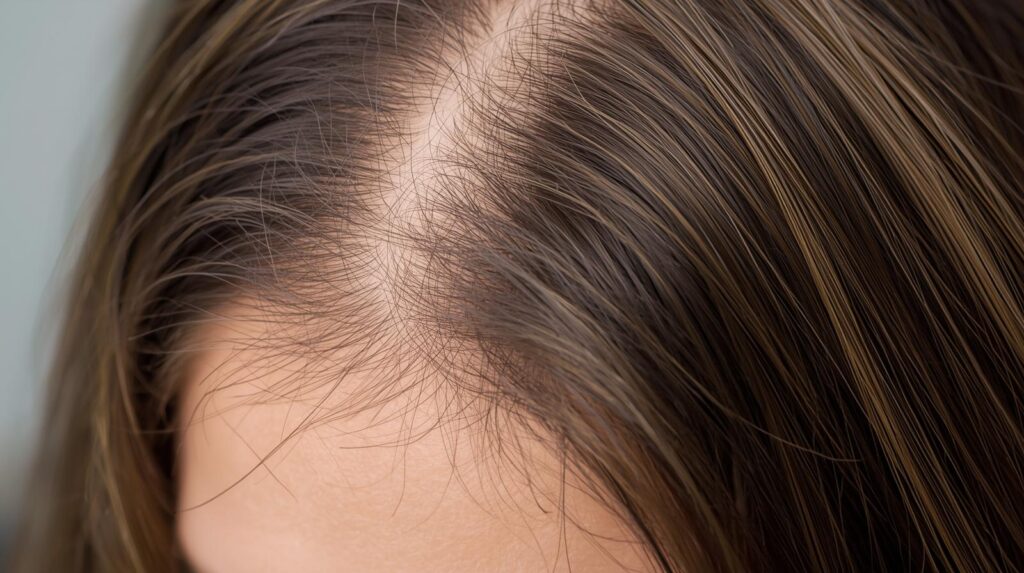
Mild Thinning
You may notice your hair feels less full than usual, particularly around the parting or hairline. Your scalp might become slightly more visible in certain lighting, but overall coverage remains. Hair often still styles well, though you may find it lacks its usual volume. This stage can feel subtle to others, but very noticeable to you. If the thinning is effecting you, you may like to consider a small hair topper.
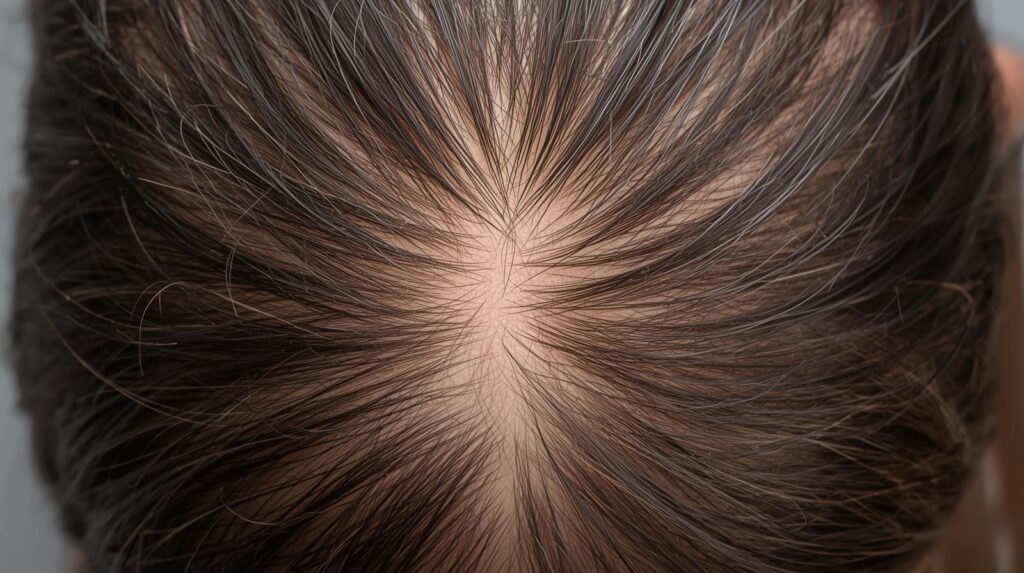
Noticeable Crown Loss
Thinning at the crown becomes more obvious, especially when looking in a mirror from above or in photographs. The scalp is clearly visible in this area, and hair may not provide the same coverage as before. Styling becomes more difficult, and volume at the top of the head can feel significantly reduced. Many people at this stage begin considering added coverage or volumising solutions.
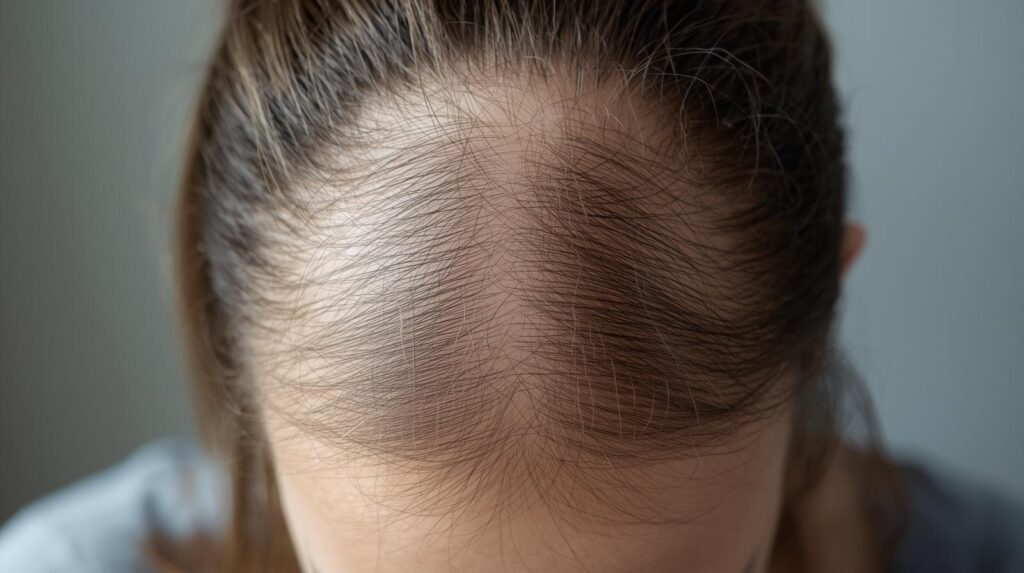
Significant Shedding
You may be losing large amounts of hair daily, particularly when washing or brushing. Hair density is visibly reduced across multiple areas of the scalp, and thin patches or wider areas of scalp exposure may be present. This stage can feel distressing and unpredictable, especially if shedding is ongoing. Extra support, gentle hair care and protective options can be very helpful during this time.
Scalp Cooling Hair Care
It’s important to look after your hair while using cold cap. It may not decrease the chances of hair loss; But it will make managing your hair much easier and it will be in the best possible condition at the end of your treatment.
Things you will need
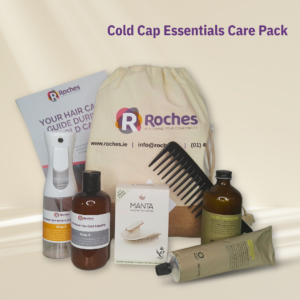
- OWAY Moisturising Hair Bath, OWAY No-Rinse Moist Conditioner and OWAY Moisturising Hair Mask.
These organic hair care products are free from parabens and sulphates, and all available here at Roches.
Chemotherapy dries out the hair and scalp so moisturising and conditioning hair products are essential. - A detangling brush or a wide tooth comb.
Continuing to brush your hair is very important as it prevents matting and excessive tangling. We suggest using the Manta Brush which is designed for ultra-gentle brushing with minimum breakage on fine or fragile hair. - A silk bonnet for night time helps to reduce friction and keep hair smoother, protecting it from knotting and tangling. Get your silk bonnet here.
- Hair fibres are a great little product to help disguise thinning and patches.
- A hair topper or wig can hide hair loss and make day to day life much easier.
A hair topper is a small hairpiece that can hide hair loss and grey roots. Wigs cover the entire hairline, they are a great option for significant hair thinning while also removing the necessity to style your hair, which can be difficult while thin and dehydrated.
Buy Your Cold Cap Kit
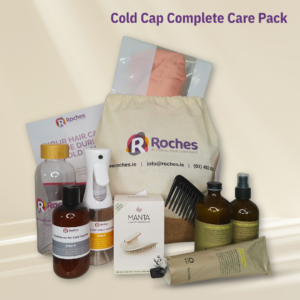
We have curated cold cap kits that contain all the products you will need to prepare your hair on treatment day, as well as daily care throughout your treatment journey.
Our kits contain everything your hair will need. It includes a step by step guide explaining how to use each product, taking the stress away from your hair care regime.
-
Sale!
 Quick View
Cold Cap Complete Care Pack
€201.00Original price was: €201.00.€159.00Current price is: €159.00. -
Sale!
 Quick View
Cold Cap Essentials Care Pack
€119.00Original price was: €119.00.€99.00Current price is: €99.00.
Hair Toppers During Cold Capping
Conceal Grey Roots
It is not recommended to colour your hair during chemotherapy. That's where a hair topper can become very handy as it conceals your roots.
Blend naturally
Hair toppers are designed to blend naturally with your own hair. They enhance your hair density while covering areas of thinning or hair loss.
Varied Base Sizes
Hair Toppers are available in many different base sizes, hair lengths and colours; Providing you with many options to match your needs.
Before & After Adding a Topper
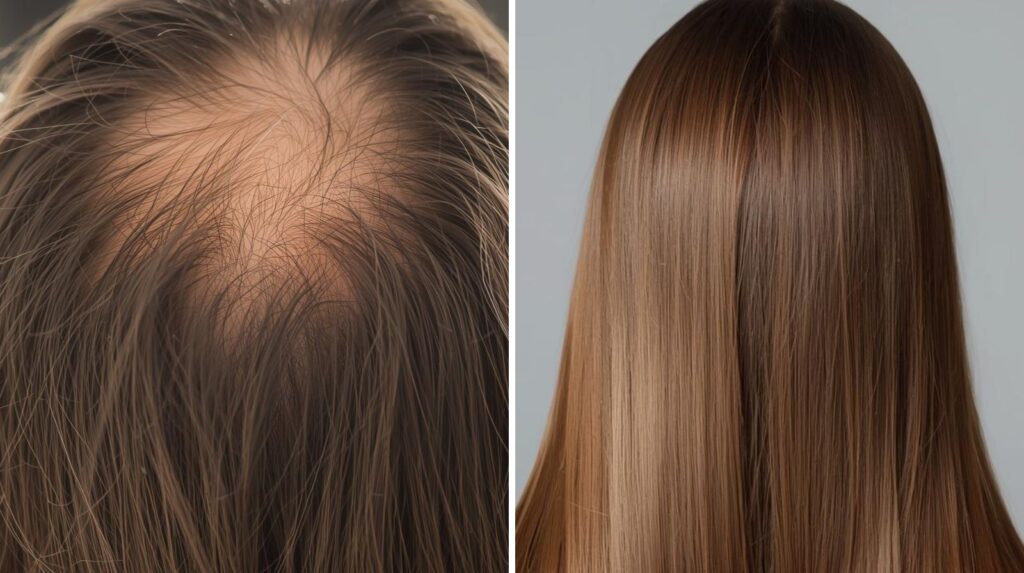
Choosing to wear a hair topper during cold cap treatment can provide reassurance and flexibility at a time when hair feels unpredictable. While cold capping can reduce hair loss, thinning is still particularly common around the crown or parting. A topper blends with your own hair to add natural looking density exactly where it’s needed most, helping to disguise visible scalp and restore a sense of fullness.
For many people, shedding can fluctuate from week to week. Having a topper means you have a reliable option on days when your hair feels thinner or harder to style. It can reduce the need for over styling, which is especially important as hair often becomes more fragile and dehydrated.
A topper can also feel lighter and more breathable than a full wig if you are retaining much of your own hair. It works with what you have, rather than replacing it entirely, and can be easily removed at home. For some, it acts as a gentle bridge, offering added coverage now, while leaving future options open if hair loss progresses. Above all, it provides choice and confidence during a time when both can feel limited.
Hair toppers & wigs are covered by your HSE and PRSI allowances. Your private health insurance may also provide cover. For more information about financial allowances please read more about your allowances here.
Wigs During Cold Capping
Before & After Adding a Wig
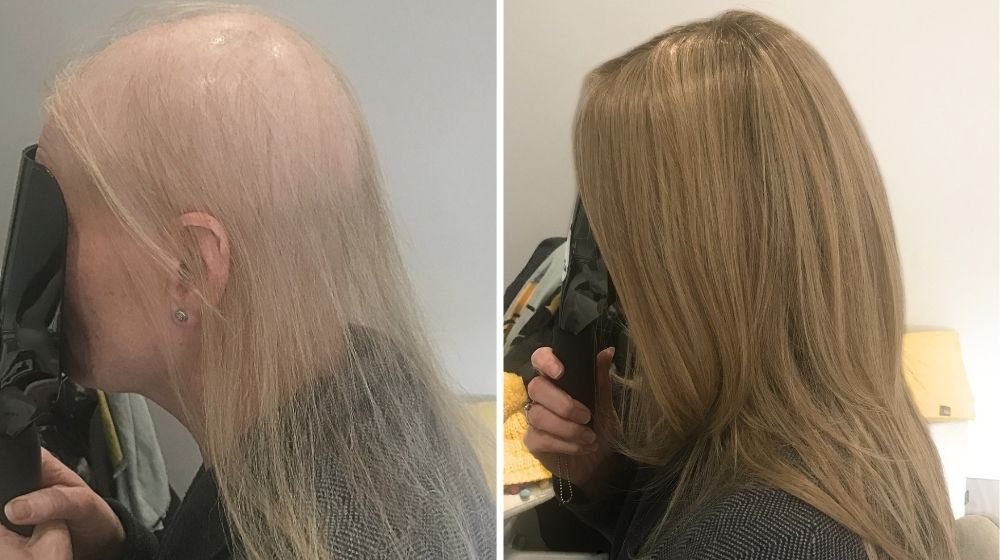
Sometimes, despite your best hopes, hair loss can progress further than expected during cold cap treatment. Shedding may become more widespread, density may reduce significantly, or thin patches may become harder to conceal. If this happens, it’s completely understandable to reconsider your options.
For many people, moving from a hair topper to a full wig is not a step backwards, it’s simply adapting to what your hair needs at that moment. A topper works beautifully when there is enough existing hair to blend with, but if coverage becomes too limited, a wig can provide fuller, more even coverage and remove the daily worry about visible thinning.
Making this transition can actually bring a sense of relief. Instead of constantly assessing shedding or adjusting your styling, a well fitting wig offers consistency and security. It allows you to feel put together quickly and confidently, without putting strain on fragile hair.
It’s also important to remember that this change doesn’t have to be permanent. As treatment finishes and regrowth begins, you may choose to return to wearing your hair topper.
Wigs during cold capping are also covered by the HSE, PRSI and may be covered by your private health insurance. So, if you choose to use one of your financial allowances towards your hair topper at the beginning of treatment, you might be able to use another towards your wig.
Scalp Analysis & Organic Hair Care
Looking after the health of your scalp is an important part of caring for your hair during chemotherapy and in the months that follow. Even when using cold cap therapy, the scalp and hair follicles can still be affected by treatment. Giving the scalp the right care can help maintain a healthier environment for hair and support regrowth once treatment finishes.
Healthy hair growth begins with a healthy scalp. The scalp is living skin that provides nutrients and support to the hair follicles. When the scalp is well cared for, it helps create the best possible environment for the follicles to recover and begin producing new hair after treatment.
Focusing on scalp health can help:
Keep the scalp comfortable and balanced during treatment
Support the hair follicles as they recover
Encourage stronger, healthier hair regrowth over time
Taking care of the scalp is a simple but valuable step that can make a meaningful difference to the hair recovery journey after chemotherapy.
Scalp Analysis
A scalp analysis can be very helpful in understanding the condition of both the scalp and the hair follicles. This gentle assessment allows us to look closely at the scalp to identify concerns such as dryness, sensitivity, irritation, excess oil, or product build-up.
Everyone’s scalp responds differently to treatment, so a personalised approach is important. A scalp analysis helps determine what your scalp needs at that moment and allows us to recommend the most suitable care routine.
Organic Hair Care
Using the correct hair and scalp products is essential during chemotherapy and while using a cold cap. Many conventional shampoos or treatments can be too harsh for a scalp that may already be sensitive.
Through a scalp analysis, we can identify which products will best support your scalp’s condition. Gentle, targeted products can help soothe the skin, maintain balance, and avoid unnecessary irritation.
While using cold capping, it is recommended to use sulphate and paraben free, hypoallergenic hair care. The organic OWAY brand stocked here at Roches meets these requirements. Our in store treatments, home care products and even our hair colour range are all from this organic brand, meaning you can feel confident that the products used are suitable for a sensitive scalp and hair.
-
Tailored Salon Treatments
-
Home Use Organic Hair Care
-
Soothing, Moisturising and Stimulating Hair Care
Hair Expectations with Cold Cap
Not always. Some people keep most of their hair, while others experience thinning or patchy loss. Results depend on the chemotherapy drugs being used, dosage, and individual response. It’s important to prepare emotionally for some level of shedding.
Even with successful cold capping, shedding is common — particularly 2–4 weeks after the first treatment. Losing 30–50% of your hair can still be considered a good result with cold capping.
Most oncology teams recommend avoiding colouring during treatment. Post-treatment, gentle options such as ammonia-free or organic colours should be considered once your scalp has recovered. We offer organic, gentle colours specifically for this reason here in store.
Hair needs to be treated very gently:
- Wash less frequently. Usually 1–2 times per week, or at least once every 10 days.
- Use lukewarm water
- Use hypoallergenic and sulfate-free shampoo & conditioner. We recommend using OWAY organic hair & scalp care, available here at Roches.
- Don’t rub in shampoo & conditioner. Instead run your fingers through your hair from root to tip, dispersing the product over the hair.
- Use a soft brush or wide-tooth comb
- Avoid heat styling tools
Pat hair dry rather than rubbing